ARROW-SEA Day 3 morning
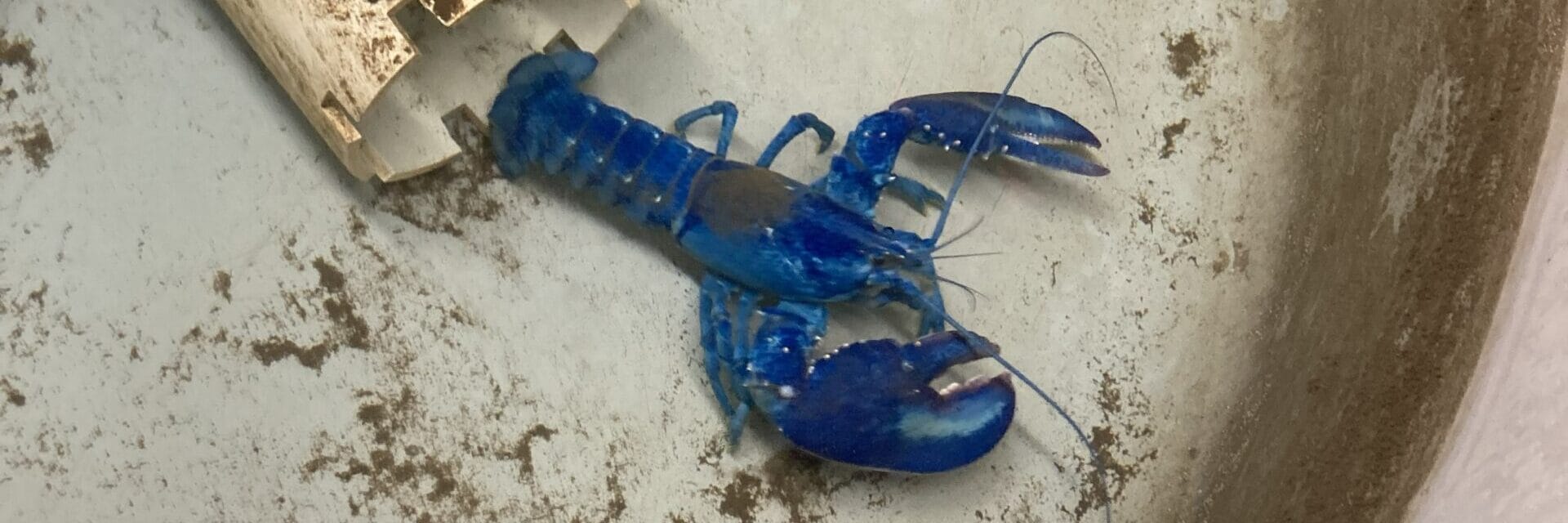
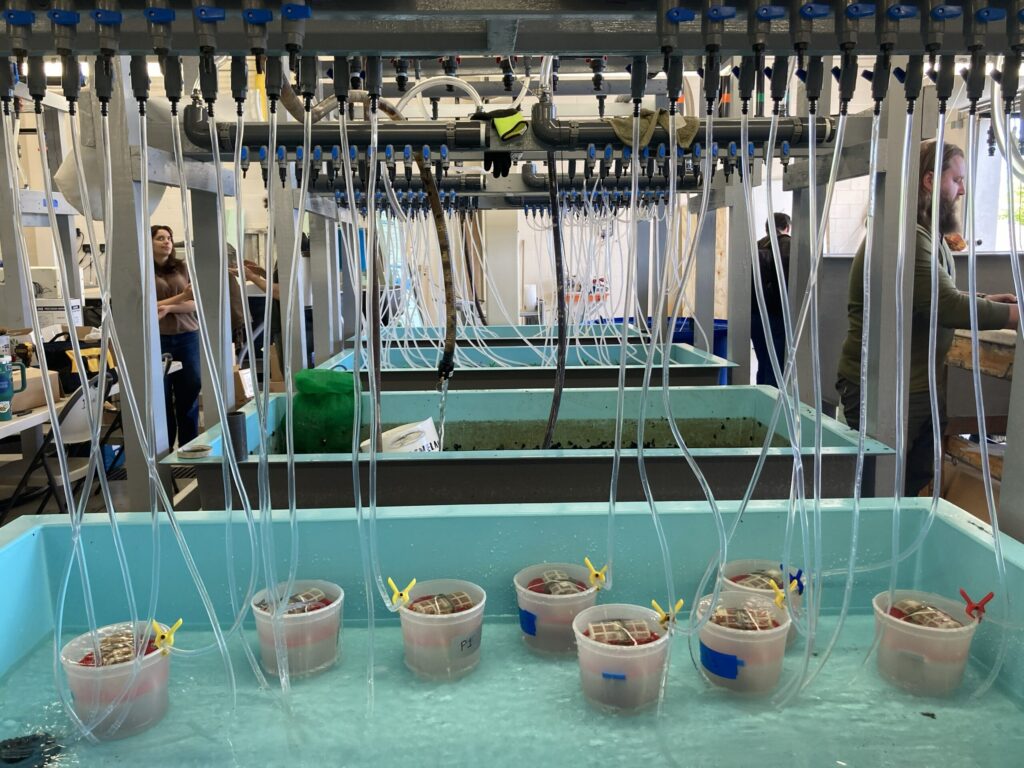
Day 3 of ARROW-SEA began with an outstanding morning at School for Marine Science and Technology (SMAST). Huge thanks to Kevin Stokesbury, Kyle Cassidy, and the incredible SMAST faculty and students for hosting us and sharing their expertise on the innovative environmental monitoring work happening at SMAST, including fisheries monitoring methods, whale behavior and migration research, ecosystem connectivity, and everything you ever wanted to know about scallops.
Ike Uri shared a compelling framework for energy justice and challenged us to think more deeply about how offshore wind companies engage with the fishing communities and coastal waters where projects are developed. Many fishing communities are understandably wary of sharing historic fishing grounds with offshore wind development. But better outcomes are possible. By better incorporating feedback from the fishing community during the permitting and siting process, and by ensuring that they are compensated for lost revenue and have job opportunities with developers, we can make sure future projects are increasingly just. The conversation reinforced that offshore wind is not only an engineering and climate challenge, but also a social and economic one.
We also heard from Michael Goodman about lessons from the Vineyard Wind project and its impact on economic development in Massachusetts. Offshore wind is already creating thousands of high-quality union jobs and major investment opportunities. At the same time, the discussion highlighted an important challenge: many turbine parts, especially the large pylons and nacelles are only produced overseas. Expanding domestic turbine manufacturing and supply chain capacity will be essential if the United States wants to fully capture the economic benefits of the clean energy transition.